Macao is a compact city where four centuries of Sino-Portuguese exchange have been written into its streets, its squares and its skyline. Between the scholarly sessions, participants can step out of the conference hall and walk from the baroque façade of the Ruins of St. Paul's to the neon waterfront of Nam Van Lake in a single afternoon.
As the host city of the 32nd International Symposium on Advancement of Construction Management and Real Estate, Macao offers more than a venue. It offers a living laboratory of heritage conservation, dense urban renewal, integrated resort development and green building practice — themes that sit at the heart of CRIOCM 2027.
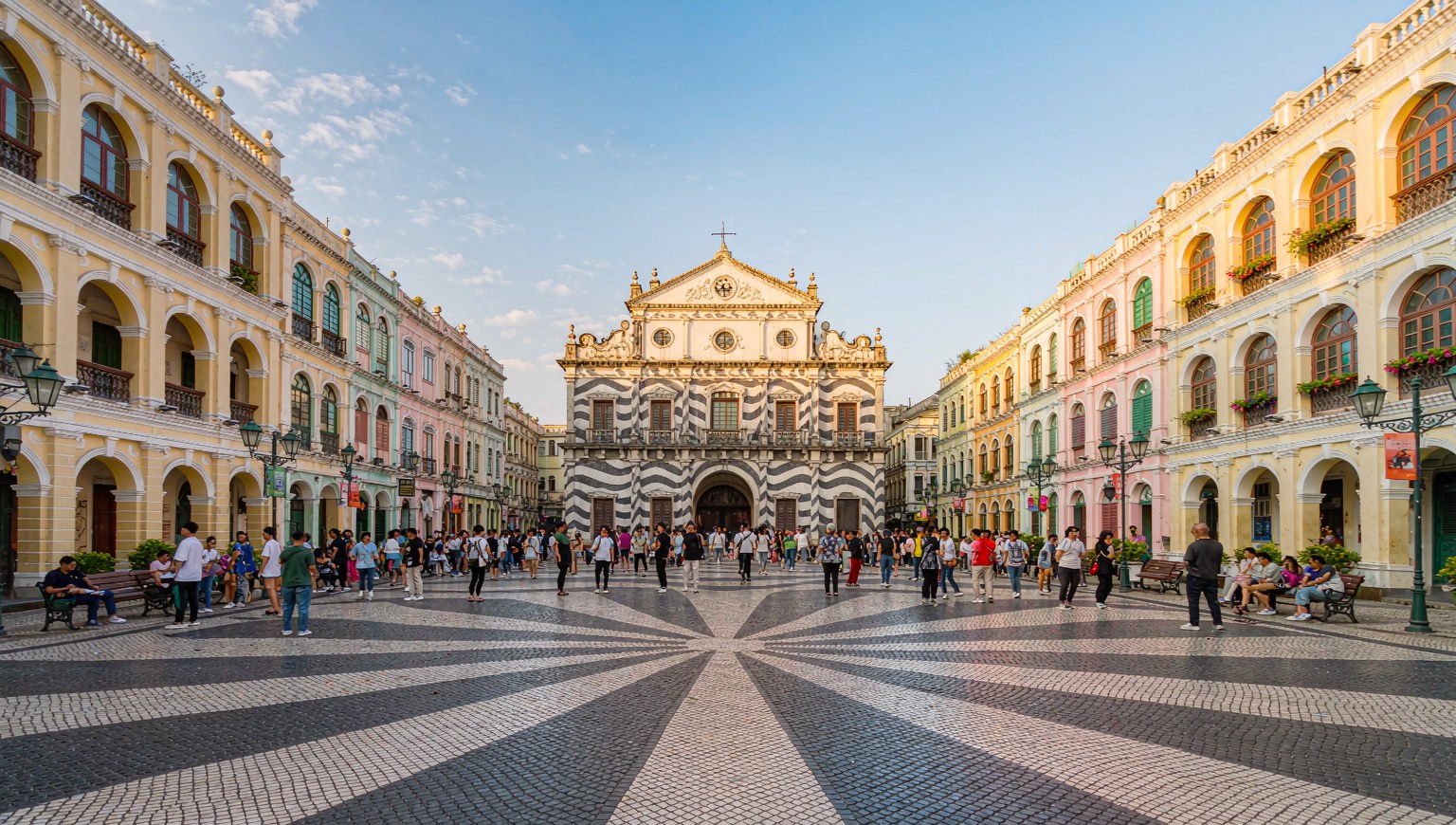
The heart of the old city, where wave-patterned Portuguese tile meets Chinese rooflines.
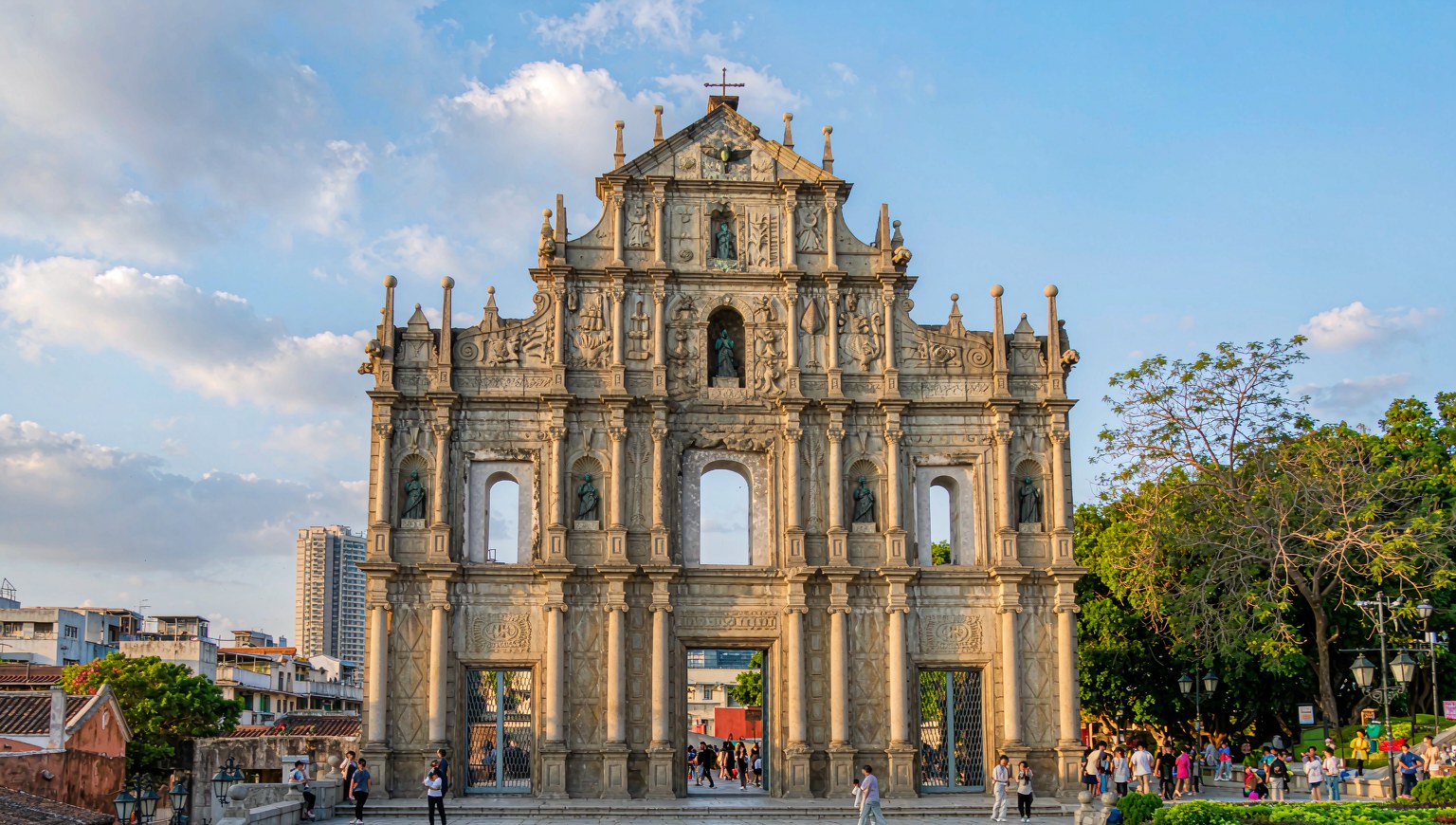
Frontispiece of the former St. Paul's College and one of the most recognised symbols of Macao. The carved granite façade stands as the city's most enduring image of the meeting of two cultures.
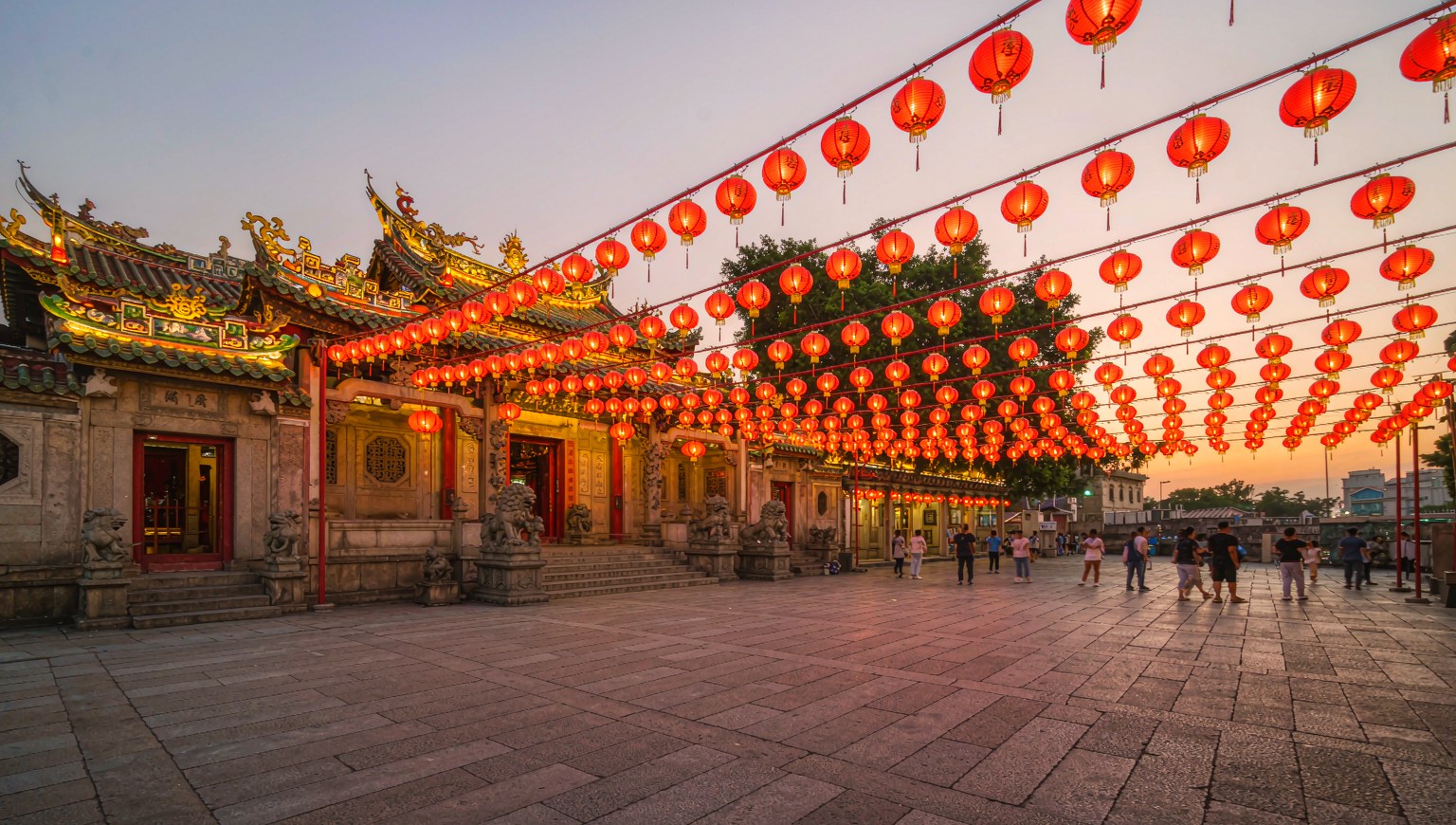
Macao's oldest and most atmospheric place of worship, dedicated to the sea goddess Mazu. Red lanterns hang across the neighbouring square, which has been a trading and gathering point for more than five centuries.
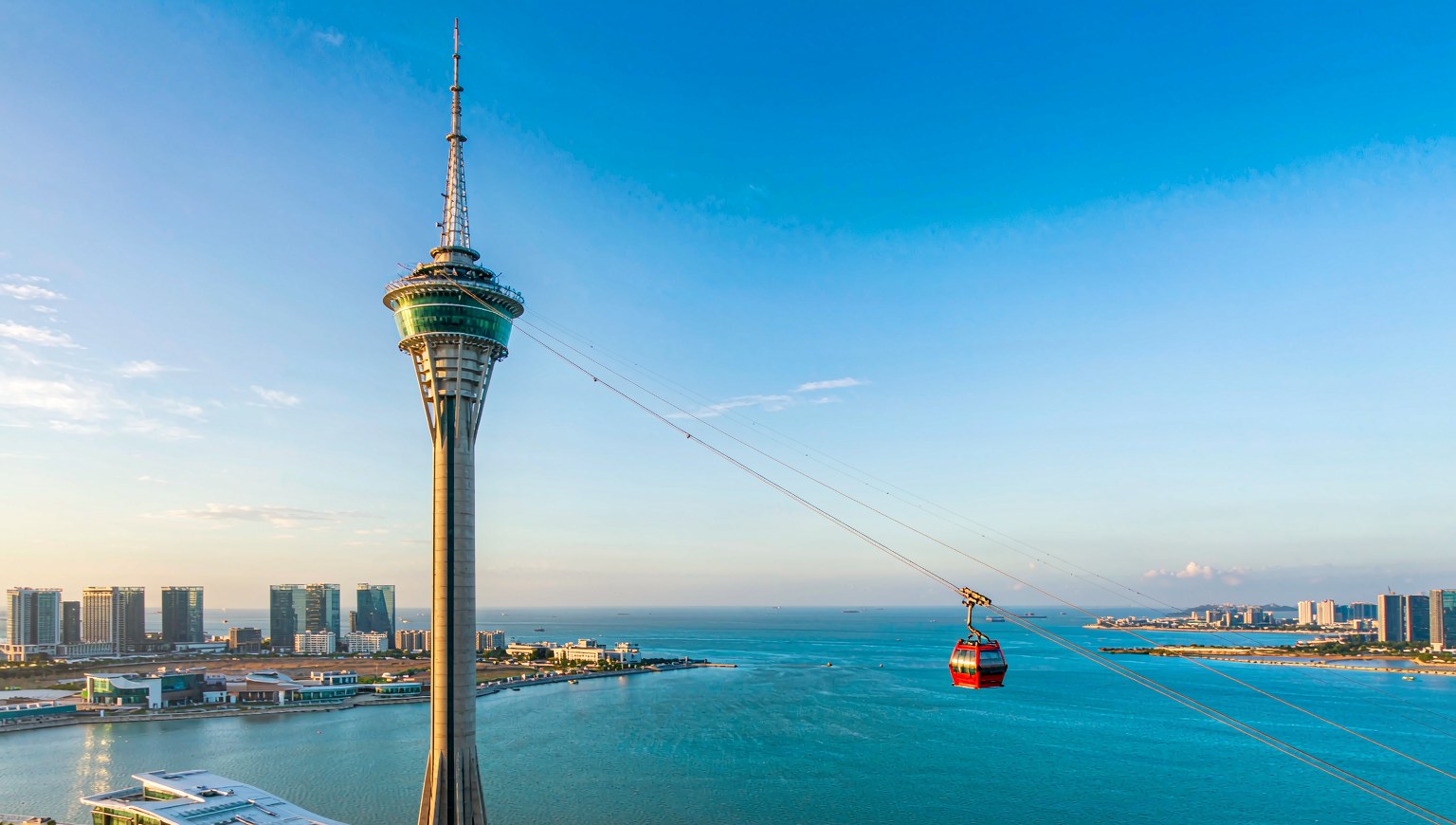
At 338 metres, this slender observation tower dominates the Cotai skyline. Its cable car and observation deck offer sweeping views across the bay, and the surrounding waterfront has become a showcase for integrated urban and resort development.
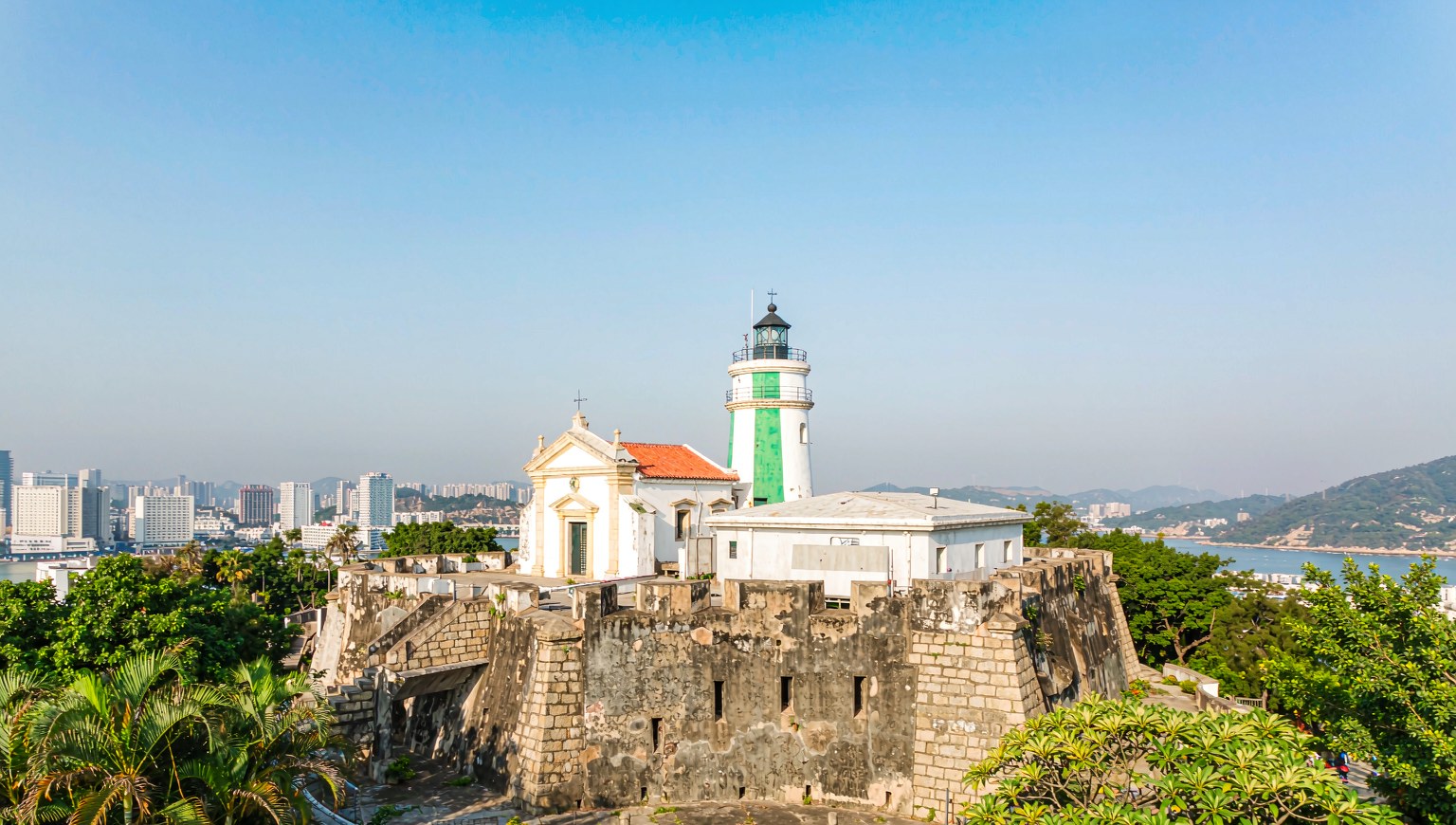
Europe's oldest maritime lighthouse in Asia, still guiding ships from the hilltop. The fortress, chapel and surrounding park occupy the first zone of the Historic Centre of Macao, recognised by UNESCO for its exceptional fusion of Chinese and Portuguese military architecture.
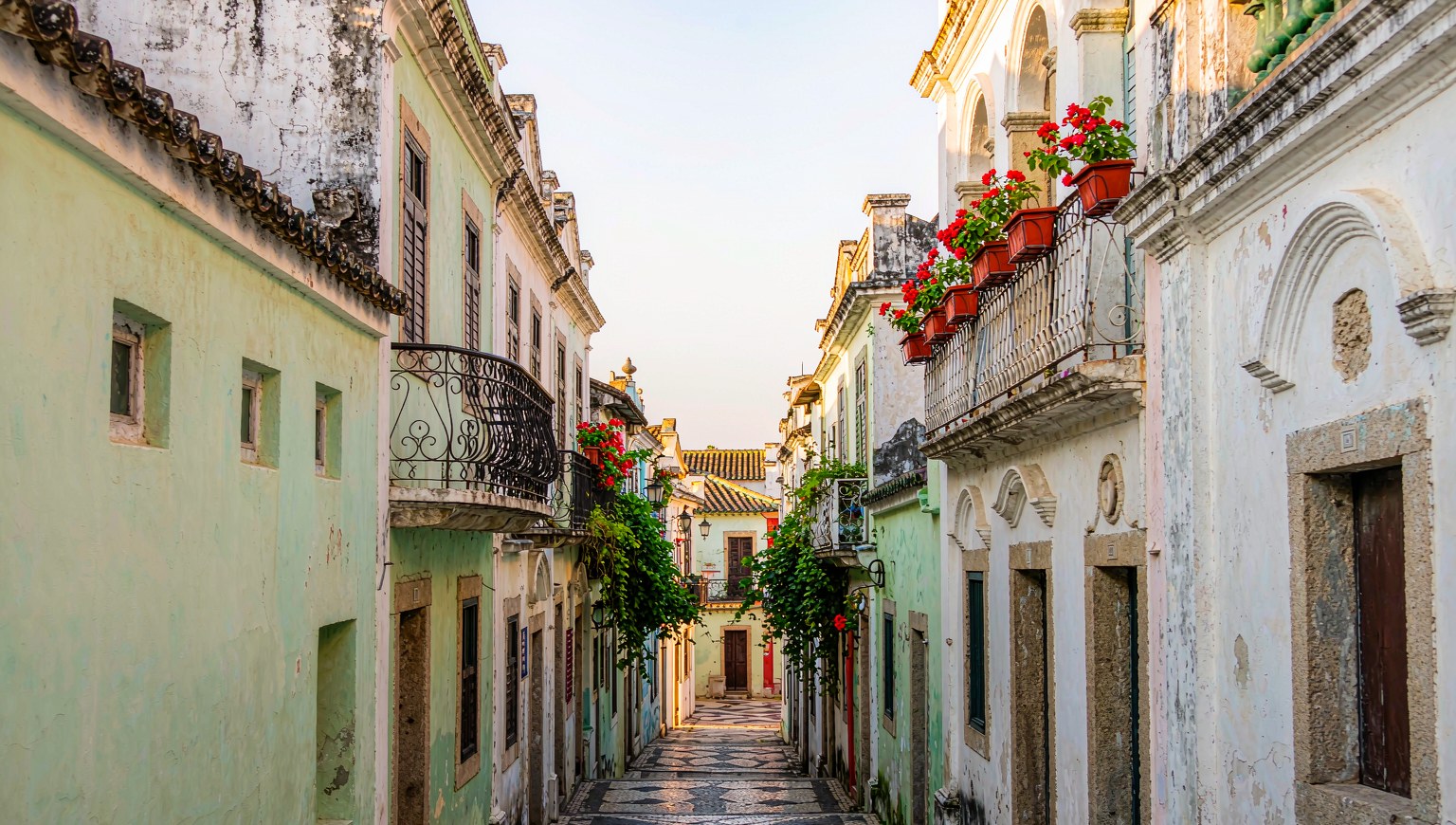
Low-rise pastel shophouses, wrought-iron balconies and Portuguese mosaic paving along narrow lanes. The village preserves the texture of old Taipa and its famous street food, a short walk from the conference venue.
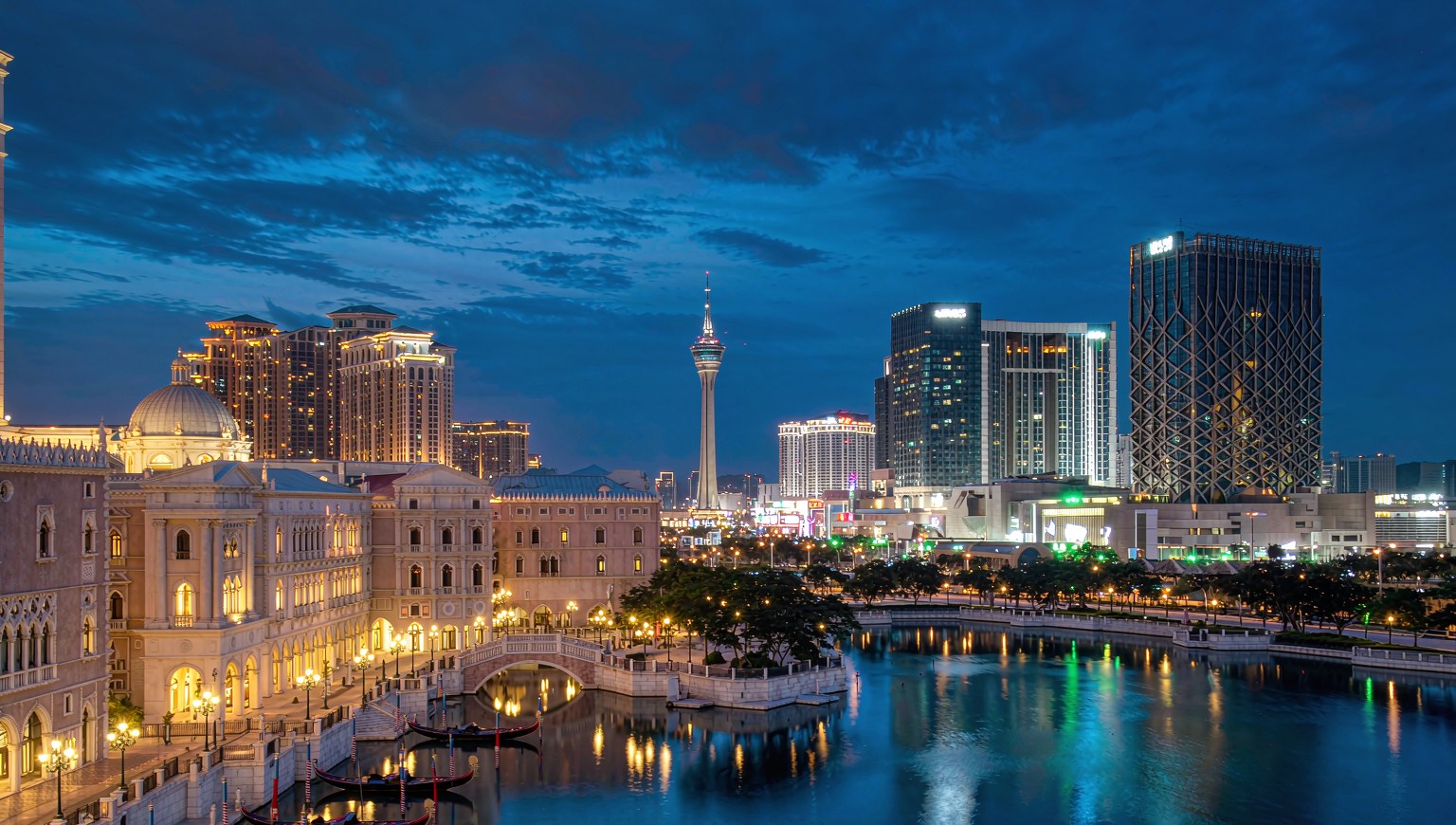
Reclaimed land now holding some of the world's largest integrated resorts, linked by canals and gondolas. It is also a working laboratory in large-scale sustainable design, water management and transport integration.
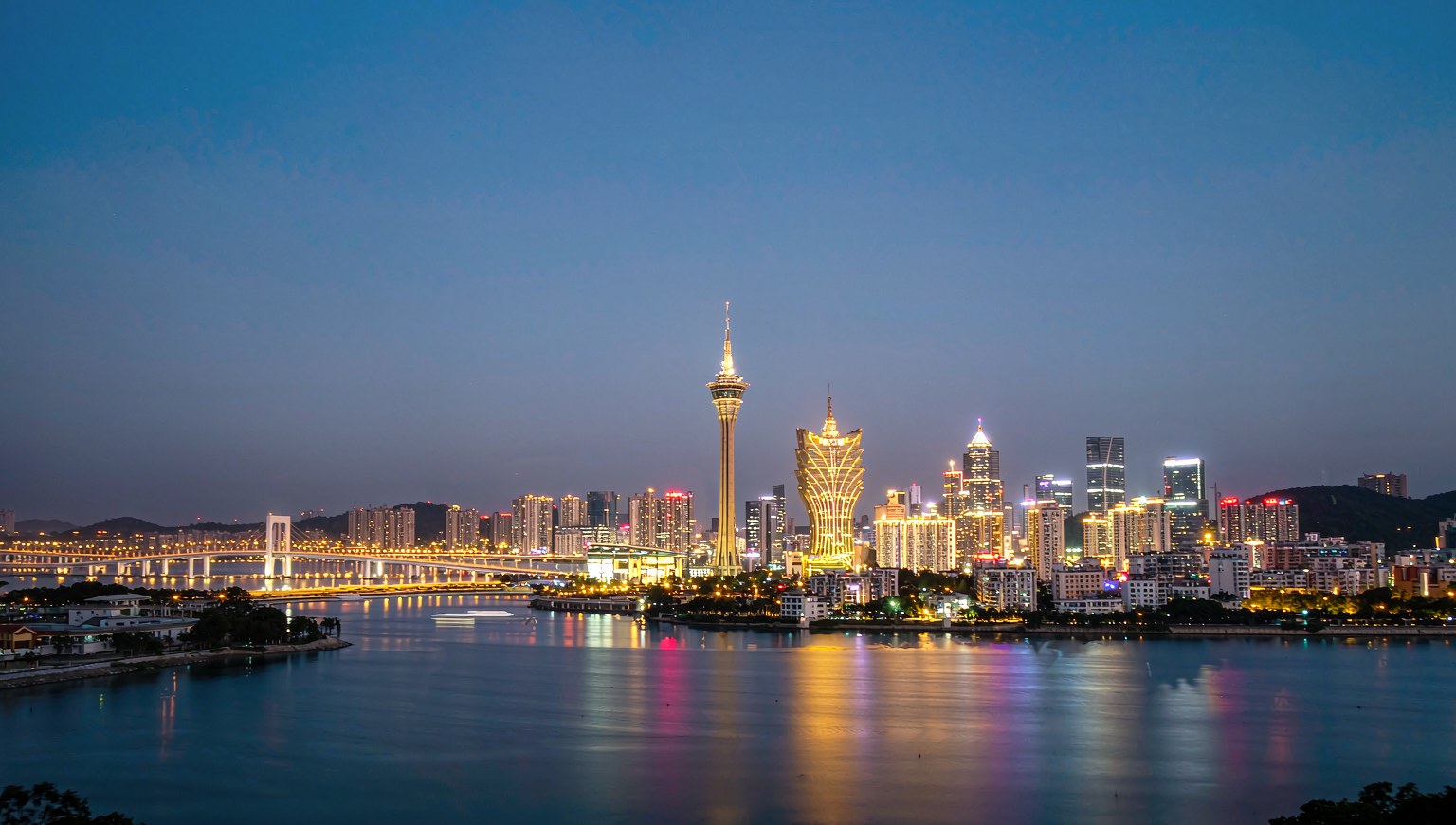
The city reflected — a modern skyline meeting a deep blue twilight sky.
Macao covers just around 33 km2, so nearly every landmark above is within a short taxi ride or a few stops on the Light Rapid Transit. The Historic Centre of Macao is a designated World Heritage Site, and the city can be covered comfortably in a single free afternoon between sessions.
Entry requirements: participants should check Macao's entry requirements well in advance and arrange visas, where required, as early as possible. Please visit the information on the Macao SAR Government Portal website for refenrence. Registered participants who need an invitation letter to support a visa application may request one via the Contact page.